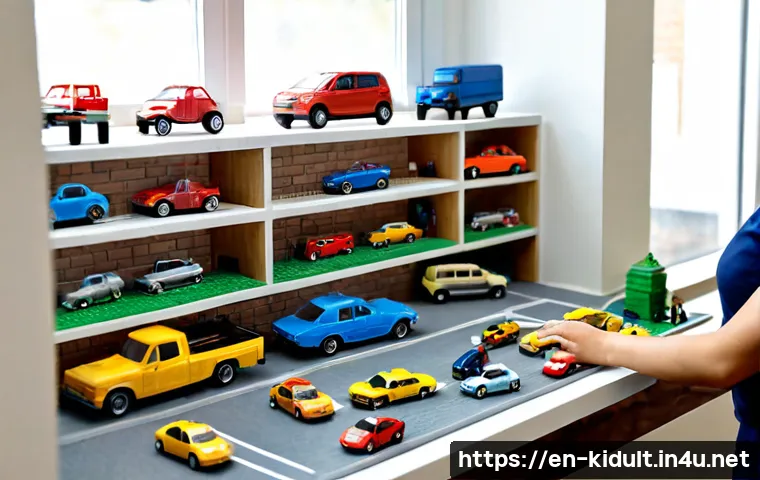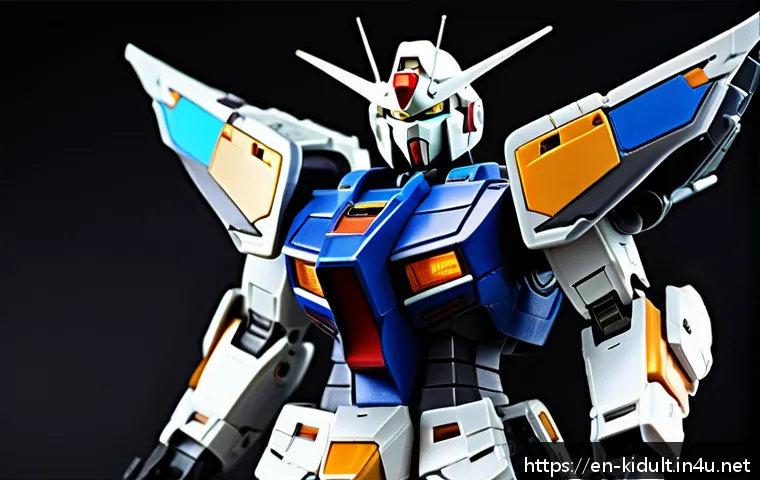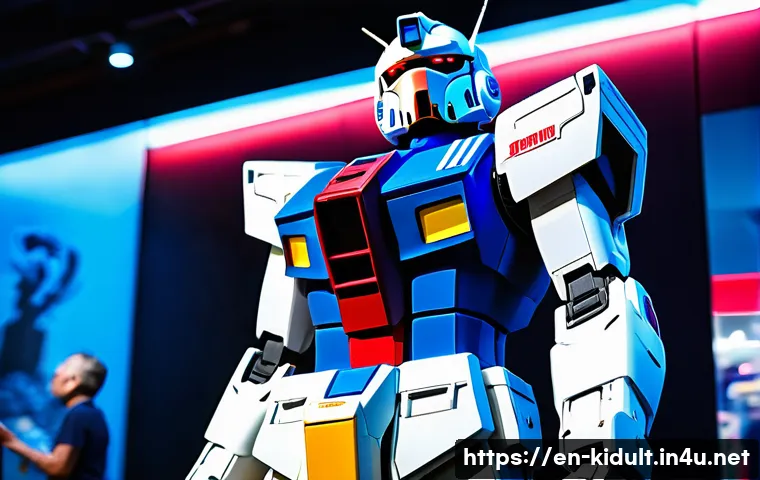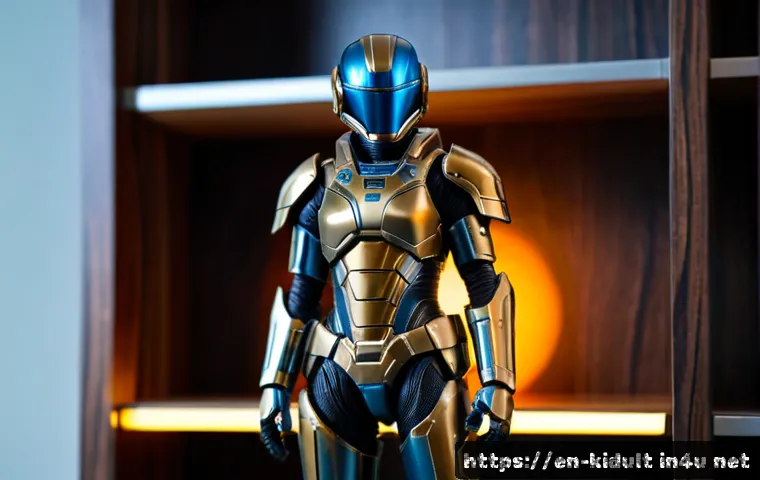
Choose a movie character figure by starting with your goal: a budget-friendly shelf display, a gift, a poseable figure, or a premium collectible. For most buyers, the best choice is a licensed release that fits the available shelf space and includes the character details they actually care about.
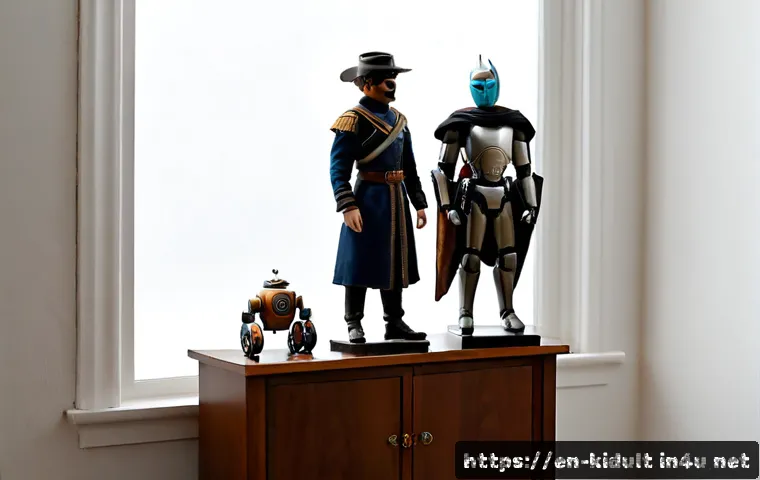
Smaller articulated figures suit flexible displays and casual collecting, while sixth-scale pieces and statues are better for buyers who want more detail and can accommodate larger display needs.
Price differences often reflect scale, materials, articulation, accessories, edition status, condition, and current availability. If resale matters, sealed packaging and complete accessories may deserve extra attention; if display matters most, an open-box item can be a practical value.
Compare retailer listings, seller terms, and display-case requirements before committing.
At a Glance
- Casual fans and gift buyers usually do best with a licensed figure that matches the recipient’s favorite character and available display space.
- Display-focused collectors should compare scale, materials, poseability, accessories, and the size of the shelf or display case.
- Resale-focused buyers should pay closer attention to sealed packaging, condition, complete parts, authenticity details, and seller return terms.
| Format | Typical Use | Space Needs | Key Risk Factors | Price Tier |
|---|---|---|---|---|
| 1:12 or similar articulated figure | Flexible posing, gifts, compact displays | Lower | Missing hands, weapons, stands, or small accessories | Lower to mid-range |
| 1:10 figure | Character display with a larger visual presence | Moderate | Shelf fit, paint condition, packaging damage | Mid-range |
| 1:6 premium collectible | Detailed adult collections and centerpiece displays | Higher | Fabric wear, delicate parts, storage and display-case fit | Higher |
| Statue or limited-edition format | Permanent display and visual impact | Higher | Fragile components, shipping damage, limited placement options | Mid-range to premium |
The Best Choice Depends on Whether You Want to Display, Play, Gift, or Collect
The right movie collectible is not automatically the largest or most expensive one. The better choice is the figure that fits your collecting goal, budget, shelf space, and tolerance for maintenance. A poseable figure can offer more variety in a small display, while a statue may make more sense when you want one fixed, high-impact centerpiece.
Quick Answer: Match the Format to Your Budget, Shelf Space, and Collecting Goal
For a simple shelf display, start with a licensed figure in a manageable scale. For a gift, prioritize the character, recognizable costume, and a listing that clearly states what is included. For a detailed collection, compare premium sixth-scale releases and statues only after measuring the display area and checking whether a display case is needed.
Do not pay for upgrades that will not matter to you. Extra articulation has limited value if the figure will stay in one pose. A sealed box has less practical value if you plan to open the collectible immediately. On the other hand, a complete accessory set may matter greatly if the character’s signature gear is part of the appeal.
Casual Display Buyer Versus Long-Term Collector
A casual buyer can focus on licensed status, visual likeness, size, and condition. This keeps the decision clear and avoids paying for collector features that will never be used. An open-box figure may be a sensible display purchase when it is complete and its condition is accurately described.
A long-term collector may place more importance on original packaging, complete accessories, edition information, and product documentation. These factors can support a more organized collection, but they do not guarantee future resale value. Availability, market interest, rarity, and future demand cannot be known in advance.
Compare Scale, Materials, Articulation, and Price Before Buying
Price comparison works best when you compare like with like. Two listings featuring the same movie character may differ because one includes more accessories, different materials, more articulation, original packaging, or a different condition grade. A lower listed price is not always the better value if important parts are missing or the figure does not fit your display plan.
Small Articulated Releases for Flexible, Lower-Cost Displays
Smaller articulated figures, often found around 1:12 scale, work well for fans who want several characters on one shelf. Their appeal is flexibility: you can change poses, build scenes, or refresh a display without dedicating an entire cabinet to one item.
Before purchasing, review the listing for stands, alternate hands, props, and character-specific accessories. Small parts are easy to lose, and pre-owned listings should be checked carefully for completeness. For gift buyers, a clearly licensed item with recognizable accessories is often easier to choose than a highly specialized collector release.
Premium Sixth-Scale Collectibles for Detailed Adult Collections
1:6 scale collectibles are generally chosen for their larger presence and detailed presentation. They may include tailored fabric elements, finely finished accessories, or display bases. These features can justify a premium price for a buyer who values close-up detail and plans to give the piece dedicated space.
However, premium does not mean effortless. Measure shelf height and depth before ordering, including room for a stand or pose. Check how fabric accessories, delicate sculpted parts, and packaging will be stored. If the figure will be displayed near a window, consider whether sunlight and heat could affect its appearance over time.
Statues and Limited Editions for Centerpiece Displays
Statues are often suited to collectors who prefer one strong presentation rather than frequent repositioning. Their fixed pose can create a dramatic display, especially for an iconic movie moment. Larger statue-style formats may require stable shelving and more careful handling than an articulated figure.
A limited-edition label can be relevant to a collector, but it should not be treated as a promise of appreciation. Confirm the exact edition details in product documentation or the seller’s listing. Also inspect photos for fragile elements, paint condition, cracks, repaired parts, and the way the item will be packed for shipping.
Comparison Table: Cost, Space, Accessories, and Maintenance
| Buying Factor | Budget Display Piece | Articulated Figure | Premium Sixth-Scale Figure | Statue |
|---|---|---|---|---|
| Primary value | Character recognition and simple display | Posing options and scene-building | Detailed presentation and accessories | Centerpiece visual impact |
| Space planning | Usually easier to place | Depends on pose and stand | Needs more height and depth | Often needs a dedicated location |
| What to confirm | Licensed branding and size | Accessory count and joint condition | Materials, dimensions, and included parts | Base dimensions and fragile components |
| Maintenance focus | Dust control | Dust and safe posing | Dust, light, heat, and fabric care | Dust, stable shelving, and careful handling |
How to Check Authenticity, Condition, and Seller Reliability
Authenticity and condition deserve as much attention as the character itself. This is especially true with authenticated collectibles, limited editions, and pre-owned items. You cannot determine whether every marketplace listing is authentic or complete from a title alone, so use the listing details and seller information as part of the purchase decision.
Licensed Branding, Product Photos, Packaging, and Listing Details
Licensed figures are typically produced with authorization from the film studio or rights holder. Look for clear licensed branding, product identification, detailed photos, and a complete description. Verify the stated scale, dimensions, materials, and included accessories rather than assuming they match another version of the same character.
For a new item, product documentation and official packaging details can help you compare releases. For a pre-owned item, look for photos of the exact collectible rather than only stock images. If key information is unclear, treat it as unconfirmed until the seller provides a reliable answer.
New, Open-Box, and Pre-Owned Condition Trade-Offs
New and sealed packaging may be useful for collectors who care about unopened condition. It can also simplify gift buying when the recipient values a fresh, retail-ready presentation. Still, sealed packaging is not automatically necessary for a display collection.
Open-box items can offer better value when the figure is complete, clean, and accurately described. Pre-owned purchases require additional checks: inspect accessories, paint, joints, fabric pieces, bases, packaging, and any signs of damage. Confirm whether the seller’s return terms cover an item that arrives incomplete or materially different from its listing.
Counterfeit Warning Signs and Return-Policy Checks
Be cautious when a listing has vague photos, incomplete product details, unclear licensing information, or no clear explanation of condition. A seller should make it possible to understand what you are buying, especially when the item is described as limited edition, sealed, or authenticated.
Before checkout, check the return policy, shipping method, packaging approach, and seller reliability information. For a more expensive collectible, these details can be as important as the retail price. If a listing does not provide enough information to assess condition and authenticity, compare other retailers or specialty collectible sellers instead.
Display Setup, Storage, and Shipping Mistakes to Avoid
A movie figure can look great on day one and still need thoughtful placement. Sunlight, heat, humidity, dust, and unstable shelving can affect collectibles over time. A simple setup with stable support and enough clearance is often more valuable than an overcrowded display.
Choosing Stable Shelving and the Right Display Case Size

Choose shelving that supports the item securely and gives it enough room around the base, accessories, and pose. A display case should not force delicate parts against the back panel or door. Measure the figure’s stated dimensions and leave practical clearance rather than relying on a product photo.
Display cases can be worth considering for collections exposed to regular dust or for premium pieces with fabric accessories and small components. Compare case dimensions, shelf depth, door access, and the stability of the surface where it will sit.
Protecting Paint, Fabric Accessories, and Delicate Parts
Keep collectibles away from direct sunlight, excess heat, and humid locations when possible. Dust carefully and avoid repeatedly handling fragile accessories. Fabric elements, painted surfaces, and thin sculpted parts may need more attention than a simple plastic display figure.
For articulated figures, avoid forcing joints or poses. For statues, avoid lifting by a narrow accessory, arm, weapon, or decorative effect piece. Handle the main body and base carefully, following the product’s own instructions where available.
What to Inspect After Delivery
Inspect a delivery soon after it arrives. Check the outer packaging, the product box, the base, delicate parts, paint areas, and all listed accessories. Compare the contents with the listing description before discarding packaging, particularly for pre-owned, limited-edition, or higher-priced collectibles.
If shipping damage or missing parts are present, retain the available documentation and review the seller’s stated return terms. Careful inspection is easier when you have not yet mixed accessories into an existing collection.
Which Type Fits Your Budget and Collecting Style?
Your ideal figure should feel proportionate to the role it will play in your collection. A gift does not need premium materials to be meaningful. A premium collectible does not need to be boxed forever to justify its place in a display. The important thing is paying for features that support your actual use.
Best Approach for Gifts and First-Time Buyers
For a gift, choose a licensed character figure with a size that is easy to display and a listing that clearly identifies the included parts. A recognizable pose, outfit, or accessory can matter more than a specialized edition label. Avoid guessing about dimensions; confirm them so the item fits the recipient’s likely shelf or desk space.
For a first purchase, a lower- or mid-range figure can be a practical introduction to collecting. It lets the buyer learn what scale, pose style, and display setup they prefer before moving into premium releases, protective display cases, or more specialized sellers.
Best Approach for Collectors With Limited Space
Collectors with limited space should standardize around one or two scales. This makes shelves look more intentional and reduces the chance of purchasing a figure that overwhelms the rest of the collection. Smaller articulated formats can offer variety without requiring a large cabinet.
Consider whether each new purchase adds something distinct: a favorite character, a different movie, a meaningful costume, or a display scene. This approach can be more satisfying than buying multiple versions with features that are not important to you.
When Premium Releases and Protective Cases May Be Worth the Added Cost
Paying more can make sense when you genuinely value detailed materials, larger scale, a complete accessory selection, confirmed licensed status, or the condition of a collectible. Protective display storage may also be worthwhile when a piece is difficult to clean, has delicate parts, or occupies a prominent long-term display location.
Do not assume a premium release will hold or increase its resale value. Instead, decide whether the item provides enough display value, condition confidence, and collecting enjoyment at its current price. For pre-owned premium pieces, authenticated condition details and reliable return terms can be more useful than a vague claim of rarity.
Selection Criteria and Comparison Summary
Before purchasing, check scale and dimensions, licensed status, included accessories, new, open-box, or pre-owned condition, seller return terms, and display-case or shelf fit. Compare retail listings when you want a new release with clear product details. Consider authenticated pre-owned options when condition is well documented and open-box value better matches your display goal. Compare retailer details, display case dimensions, and seller conditions on the relevant product pages before making a final choice.
Final Thoughts
The best movie collectible is the one that fits your space and makes you want to look at the display again. Start with the character and format you enjoy, then use condition, licensing, accessories, and seller information to narrow the options. Premium features can be worthwhile, but only when they improve the experience you actually want. A careful comparison now can prevent a crowded shelf, incomplete figure, or avoidable shipping problem later.
Useful Things to Know
1. Scale is not just a size label; it affects shelf planning, visual consistency, and accessory storage.
2. Open-box does not automatically mean poor condition. For display buyers, it may offer solid value when all parts are present.
3. Display cases can help reduce dust exposure, but their dimensions should be checked against the figure, stand, and base.
4. Keep original packaging if you have room, especially when you may transport, store, or resell the collectible later.
Important Notes
Exact licensing status, materials, dimensions, accessories, edition information, and completeness should be confirmed through the seller’s listing or product documentation. Future resale value, rarity, production quantity, and appreciation cannot be predicted. Marketplace listings should be assessed individually, including the seller’s photos, condition description, shipping approach, and return policy.
Frequently Asked Questions
Q1. How much should I spend on a movie character figure for a gift?
A1. Spend according to the recipient’s interest, the figure’s licensed status, its size, and the included accessories. A well-chosen licensed figure with clear character recognition can be a better gift than a more expensive release with collector features the recipient will not use.
Q2. Are licensed movie collectibles worth paying more for than unbranded alternatives?
A2. Licensed figures are typically made under authorization from the film studio or rights holder, which can matter to buyers who want official character presentation and clearer product identification. Whether the added cost is worthwhile depends on your budget, display goal, and the specific product details.
Q3. Is it better to buy sealed or open-box figures for a display collection?
A3. For a display collection, an open-box figure can be a good value if it is complete, clean, and accurately described. Sealed packaging may matter more to buyers focused on unopened condition or possible future resale, but it is not essential for every display-focused collector.