Hey there, fellow collectors! Ever felt that rush of adrenaline when you spot that holy grail figure you’ve been dreaming of, only to hesitate, wondering if it’s the real deal or if you’re getting a fair price?
Trust me, I’ve been there countless times, and navigating the exciting, sometimes tricky, world of rare figure collecting can feel like a quest in itself.
From vintage masterpieces to limited edition exclusives, the hunt is undeniably part of the fun, but knowing how to snag those coveted pieces without getting burned is absolutely crucial.
You want to make sure your hard-earned cash is going towards genuine treasures that will bring you joy and potentially even appreciate in value. So, if you’re ready to sharpen your collector’s eye and uncover the secrets to building an envy-inducing collection, let’s dive into some truly invaluable tips right here.
Unmasking the Fakes: Your Detective Toolkit
There’s nothing quite as soul-crushing as finally getting your hands on that grail figure, only to realize, deep in your gut, that something just isn’t right. I’ve been there, staring at a supposed “authentic” piece that felt just a little too light, or whose paint job seemed a shade off. My heart sank, and that initial rush of excitement quickly turned into a cold dread. That’s why building your internal fake-detection system is absolutely paramount in this hobby. It’s not just about saving money; it’s about protecting the integrity of your collection and your passion. I’ve learned, sometimes the hard way, that being a savvy collector means becoming a bit of a detective yourself. Every detail, from the packaging to the subtle nuances of the sculpt, tells a story, and you need to be able to read it.
Examine the Packaging with a Magnifying Glass
Honestly, the box itself is often your first line of defense against counterfeits. I remember one time, I almost pulled the trigger on a vintage Star Wars figure because the price seemed too good to be true – and usually, it is. But a quick glance at the packaging saved me. The colors were slightly faded, the text was a bit blurry, and there was a weird grammatical error on the back. A genuine product, especially from reputable brands, will almost always have pristine, high-quality packaging with crisp printing, accurate branding, and no typos. Check for official seals, holograms, and copyright information. Does the font match what you know to be standard? Are there any discrepancies in the UPC code or product numbers compared to official releases? Trust your gut here; if something feels off about the box, it’s a huge red flag. Always cross-reference photos of authentic packaging online before making any significant purchase. It’s an extra step, but it’s one that has saved my wallet more times than I can count.
Scrutinize the Figure Itself: Paint, Sculpt, and Articulation
Once you’ve passed the packaging test, it’s time to get up close and personal with the figure itself. This is where your personal experience and knowledge of specific lines truly shine. I vividly recall a time when I was considering a rare Japanese mecha figure. The seller had great photos, but when I received it, the plastic felt flimsy, almost greasy. The paint lines, which should have been razor-sharp, were sloppy and bleeding in places. Authentic figures, especially high-end ones, boast exceptional craftsmanship. Look for clean, precise paint applications, accurate color matching, and a sculpt that perfectly mirrors the character or design. Check articulation points – do they move smoothly or are they stiff and prone to breaking? Are there any weird gaps in the joints? Counterfeiters often cut corners here, using cheaper plastics that feel brittle or look dull, and their paint apps are rarely up to par. Don’t be afraid to ask for detailed photos from different angles if you’re buying online, and always compare them to official product images or reliable reviews.
The Art of the Deal: Mastering the Marketplace
Stepping into the rare figure marketplace can feel like entering a bustling bazaar, full of incredible treasures and, occasionally, a few mischievous vendors. I’ve navigated my fair share of these markets, from the thrill of scoring a deal at a local convention to the nail-biting suspense of an online auction. What I’ve learned is that it’s not just about finding the figure; it’s about mastering the negotiation, understanding the seller, and knowing when to hold ’em and when to fold ’em. My journey has taught me that patience and preparedness are your best allies. You wouldn’t walk into a high-stakes poker game without knowing the rules, right? The same applies here. Developing a keen sense for value and a respectful, yet firm, negotiation style will not only save you money but also build a reputation as a serious and knowledgeable collector.
Navigating Online Marketplaces and Auctions
The internet has truly revolutionized figure collecting, opening up a world of possibilities that simply didn’t exist two decades ago. Sites like eBay, Mercari, and various specialized forums are treasure troves, but they also come with their own set of challenges. I’ve spent countless hours scrolling through listings, poring over descriptions, and evaluating seller feedback. When I’m looking at an eBay listing, for example, I always check the seller’s rating and read their recent reviews, paying close attention to any comments about item condition accuracy or shipping issues. A seller with a long history of positive feedback, especially for similar items, is generally a safer bet. Don’t hesitate to message the seller with questions. Ask for more photos, clarify the condition, and inquire about their return policy. In auctions, set a maximum bid for yourself and stick to it, no matter how tempting it is to get caught up in a bidding war. I once lost a figure I really wanted because I let emotion get the better of me and went way over my budget. Learn from my mistake: discipline is key! Remember, there will always be another figure, but your budget is finite.
The Thrill of In-Person Hunts: Conventions and Local Shops
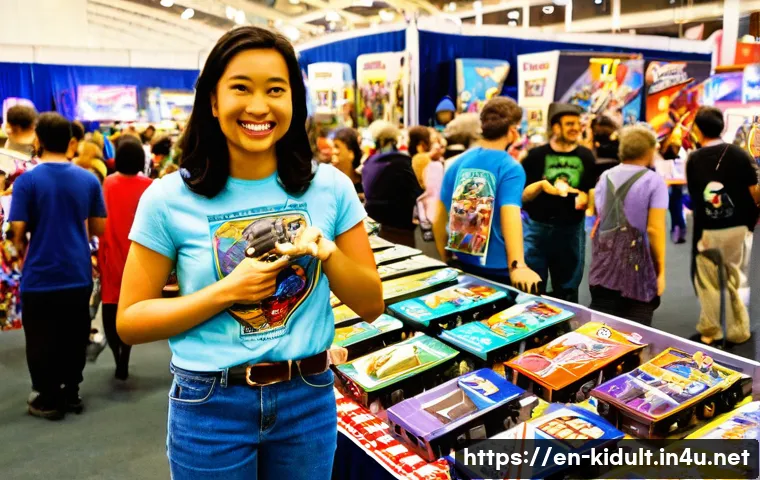
While online shopping offers unparalleled convenience, there’s a unique magic to hunting for figures in person. Whether it’s the electric atmosphere of a comic convention or the quiet charm of a local toy store, these experiences offer something the internet simply can’t: the ability to physically inspect an item before you buy. I absolutely love going to conventions because I can hold the figure, check every angle, and even chat with the seller face-to-face. This direct interaction not only helps you verify authenticity and condition on the spot but can also open doors to insider tips or even better deals. Don’t be afraid to politely haggle a bit, especially at conventions or independent shops. Many sellers are open to negotiation, particularly if you’re buying multiple items. Just remember to be respectful and realistic with your offers. I’ve found some of my absolute favorite pieces by simply striking up a conversation with a vendor and expressing genuine interest in their collection. It’s a fantastic way to build connections within the community, too!
Beyond the Box: Condition is King
When you’re dealing with rare figures, whether it’s a vintage G.I. Joe or a modern limited-edition statue, the condition of that piece is often the single biggest determinant of its value and desirability. Trust me on this, I’ve seen firsthand how a seemingly minor flaw can slash a figure’s worth by a significant margin. It’s a bitter pill to swallow when you realize you paid top dollar for something that isn’t quite up to snuff. I’ve learned to be incredibly meticulous, sometimes to the point of obsession, about assessing condition, and it’s a habit that has saved me from countless disappointments. It’s not just about preventing financial loss; it’s about preserving the history and artistry of these collectibles. Each scratch, each faded spot, tells a story, but you want to ensure that story is one of careful preservation, not neglect.
Deciphering Grading Scales and Terminology
The world of figure collecting has its own specialized language when it comes to condition, and understanding it is crucial. Terms like “Mint In Box” (MIB), “Loose Complete” (LC), “Near Mint” (NM), and “Good” (G) aren’t just arbitrary words; they carry specific meanings that directly impact value. For example, a “Mint In Sealed Box” (MISB) figure is generally considered the holy grail, indicating it’s never been opened and is in pristine, factory-fresh condition. I remember seeing two identical figures at a show once; one was MISB and commanded a price almost double that of the “Loose Complete” version, even though the loose one looked perfect. The difference was simply that untouched, factory-sealed state. Always ask sellers for clarification if you’re unsure about their grading, and don’t be shy about requesting additional photos to substantiate their claims. Familiarize yourself with common grading scales used by professional services if you’re dealing with truly high-value items, as these can set an industry standard for condition assessment.
Practical Tips for Assessing Damage and Wear
When you’re physically inspecting a figure, or even just scrutinizing photos, you need a checklist in your mind. My personal routine goes something like this: First, I check for any obvious breaks or cracks, especially on delicate parts like antennas or weapon accessories. Then, I move to paint application – any chips, rubs, or discoloration? This is especially critical for vintage figures where paint wear is common. Next, I test articulation points; are they loose, stiff, or broken? For figures with electronic features, I always ask if they’re still working. Finally, I look for general signs of aging or storage issues, such as yellowing plastic (a common issue with older white plastics), dust accumulation in crevices, or sun damage. If you’re buying online, don’t just rely on a few glamorous shots. Ask for close-ups of any reported flaws and general shots from all angles, including the back and bottom. A seller who is upfront about minor imperfections and provides clear photos is usually more trustworthy than one who only shows perfect angles.
Smart Spending: Budgeting for Your Collection
Let’s be real, collecting rare figures can be an incredibly expensive passion if you let it get out of hand. I’ve certainly had moments where I looked at my bank account after a particularly exciting month of acquisitions and thought, “Oops, maybe I went a *little* overboard.” It’s so easy to get swept up in the excitement, the thrill of the chase, and the desire to complete a set, but without a clear strategy, your hobby can quickly turn into a financial burden. I’ve learned through trial and error that successful collecting isn’t just about finding the figures; it’s about finding them responsibly, within a budget that makes sense for your life. It’s about making smart choices that allow you to enjoy your collection without sacrificing other important financial goals. Believe me, that sense of guilt over an impulsive, expensive purchase can really diminish the joy a new figure brings.
Setting Realistic Financial Goals
Before you even start browsing, sit down and honestly assess what you can comfortably afford to spend each month or quarter on your hobby. This isn’t about limiting your passion; it’s about enabling it sustainably. For me, I started by allocating a specific “hobby fund” portion of my discretionary income. This means I know exactly how much I have to play with, and it helps me avoid dipping into funds meant for bills or savings. Consider what your collecting priorities are. Are you aiming for one or two extremely high-value pieces a year, or are you looking to build a larger collection of more moderately priced items? Having a clear goal will help you focus your spending. Don’t be afraid to save up for those truly aspirational pieces. The satisfaction of finally acquiring a grail figure after months of careful saving is far greater than the fleeting thrill of an impulse buy that strains your finances. I always remind myself that good things come to those who wait, especially in collecting.
Maximizing Value: When to Buy, Sell, and Trade
Being a smart collector also means understanding the market dynamics. Prices for figures can fluctuate based on new releases, anniversaries, movie tie-ins, or even simple shifts in popularity. I’ve learned that timing can be everything. Sometimes, holding off on a purchase for a few months can result in a better price, especially if a new version or similar product is announced. On the flip side, if you see a truly rare item at a fair price, it might be wise to jump on it, as opportunities for those figures can be few and far between. Don’t forget the power of selling or trading from your existing collection. I often “thin the herd” by selling figures I no longer connect with, using those funds to finance new acquisitions. This not only keeps my collection focused but also provides a sustainable way to fund new purchases without constantly dipping into fresh cash. Platforms like dedicated forums, Facebook groups, or local trade events are fantastic for this, allowing you to connect directly with other collectors who might value what you have.
Community Power: Tapping into Fellow Collectors
One of the most enriching aspects of rare figure collecting isn’t just the figures themselves, but the incredible community that surrounds them. Seriously, I’ve made some of my best friends through this hobby, people who share that same spark of enthusiasm and understanding that only another collector truly gets. There have been countless times when a fellow collector has saved me from a questionable purchase, pointed me towards an amazing deal I would have otherwise missed, or simply shared invaluable knowledge gained from their own experiences. Trying to navigate this world entirely on your own is like trying to sail a ship without a compass; you’ll eventually get somewhere, but it’ll be a much harder, less efficient, and frankly, less fun journey. Tapping into this collective wisdom is not just smart; it’s essential for anyone serious about building a reputable and enjoyable collection.
Joining Online Forums and Social Groups
If you’re not already active in online figure collecting communities, you are seriously missing out! Platforms like specialized forums, Facebook groups, and even subreddits are goldmines of information. I remember when I was first getting into Japanese vinyl figures; I knew almost nothing. But by joining a dedicated forum, I quickly learned about different sculptors, release histories, and common counterfeit signs. These groups are incredible for asking questions, sharing your finds, and getting honest opinions on potential purchases. Members often post “deal alerts” or warnings about problematic sellers. Just be sure to find communities that are well-moderated and have a positive, helpful atmosphere. I’ve found that the best groups are ones where people are genuinely passionate and willing to share their knowledge, not just boast about their collections. It’s a fantastic way to learn the ropes from seasoned veterans and avoid common pitfalls.
Attending Conventions and Local Meet-ups
While online interaction is convenient, there’s absolutely no substitute for meeting fellow collectors in person. Attending conventions, comic cons, or local meet-ups provides a different kind of energy and opportunity. I love walking through artist alleys and vendor halls, striking up conversations with people who share my niche interests. I’ve discovered amazing indie artists, stumbled upon unexpected finds, and gotten incredible tips on authentication and preservation just by chatting with someone at a booth. Local meet-ups, though sometimes smaller, can be even more intimate. I once went to a local toy swap meet and ended up spending hours discussing customizing techniques with another collector. These face-to-face interactions build real bonds, fostering trust and camaraderie. Plus, you might find opportunities for trades or direct sales without the overhead of online marketplaces, leading to better deals for everyone involved. It truly strengthens your passion when you can share it with others in the flesh.
Future-Proofing Your Finds: Preservation Essentials
You’ve hunted down that elusive figure, meticulously authenticated it, and perhaps even paid a pretty penny for it. Now what? The journey doesn’t end when it arrives at your doorstep. In fact, that’s where a new, crucial phase begins: preservation. I’ve seen collections, both my own and others’, suffer greatly from neglect or improper storage, and it’s heart-wrenching to witness. The vibrant colors fade, the plastic yellows, the delicate parts break – all because of simple oversights. Imagine spending years building a collection, only for it to slowly degrade before your eyes. It’s a tragedy! My personal rule of thumb is that if a figure is worth buying, it’s worth protecting. Think of yourself not just as a collector, but as a temporary custodian of these miniature works of art. Proper care ensures they retain their beauty, their value, and most importantly, their ability to bring you joy for years, or even decades, to come.
The Right Environment: Light, Temperature, and Humidity
Environmental factors are the silent killers of many a collection. I learned this the hard way with a vintage figure that I unknowingly displayed near a window; over time, one side of it faded significantly, losing its original color. Direct sunlight is the enemy of plastic and paint! UV rays cause discoloration, brittleness, and paint degradation. Always display your figures away from direct sunlight and harsh artificial lights. Temperature and humidity are also critical. Extreme fluctuations can cause plastics to expand and contract, leading to warping or cracking. High humidity can encourage mold growth, especially in packaging or on soft goods. I try to keep my display area at a consistent room temperature, typically around 68-72°F (20-22°C), with moderate humidity, ideally between 40-50%. If you live in a very humid or dry climate, investing in a small dehumidifier or humidifier for your display room can be a game-changer. These might seem like small details, but they make an enormous difference in the long-term health of your collection.
Cleaning and Display Best Practices
Regular, gentle cleaning is another cornerstone of good preservation. Dust, dirt, and grime can accumulate over time, not only obscuring your figures’ details but also potentially etching into surfaces or causing discoloration. My routine involves a soft-bristle brush, like a clean makeup brush, for dusting, and occasionally a microfiber cloth lightly dampened with distilled water for more stubborn spots. Always avoid harsh chemicals or abrasive cleaners, as these can damage paint or plastic finishes. When it comes to display, consider using display cases, especially for your most valuable or delicate pieces. These not only protect against dust but also offer an extra layer of defense against accidental knocks or curious pets. I prefer acrylic cases because they offer great visibility and UV protection. For figures with complex poses or delicate stands, ensure they are securely supported to prevent tipping or stress on joints. Over time, even gravity can take its toll, so thoughtful display setup is a must.
The Thrill of the Hunt: Online vs. In-Person Journeys
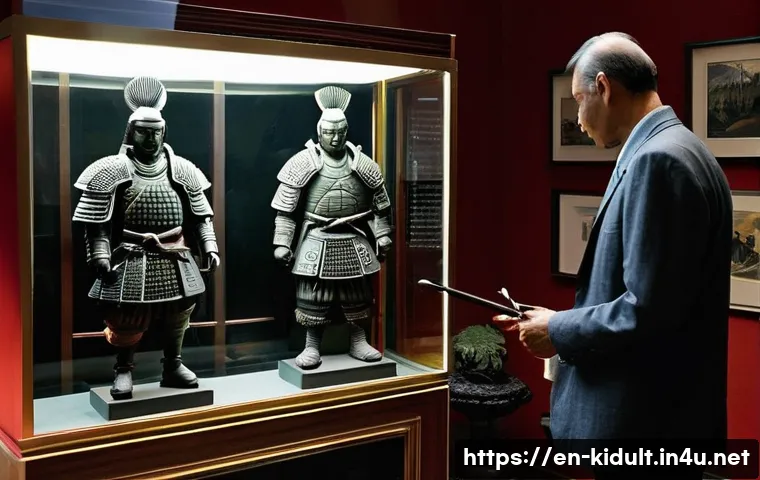
The quest for rare figures is, for many of us, as enjoyable as finally acquiring the piece itself. It’s that rush of anticipation, the satisfaction of uncovering a hidden gem, and the stories we gather along the way. But just like any grand adventure, there are different paths to take, each with its own unique flavor. I’ve spent countless hours meticulously scrolling through online listings, comparing prices, and scrutinizing photos, much like an archaeologist sifting through digital ruins. And then there’s the vibrant, tactile experience of sifting through dusty bins at a local toy shop or weaving through the bustling crowds of a convention, where every corner holds the promise of an unexpected discovery. Both avenues offer their own set of advantages and challenges, and understanding which approach suits your current hunt, or even your mood, is part of becoming a truly seasoned collector.
Digital Expeditions: The Convenience of Online Shopping
Let’s face it, online shopping has completely transformed how we collect. The sheer accessibility is incredible! From the comfort of my couch, I can browse sellers from across the globe, compare prices instantly, and often find figures that would be impossible to locate locally. I remember spending weeks searching for a specific variant of a vintage Japanese monster figure, and eventually, I found it listed on a Japanese auction site, something that would have been unthinkable before the internet. The convenience of having items shipped directly to your door, often with detailed tracking, is a huge plus. However, this convenience comes with its own set of hurdles. You’re reliant on seller photos and descriptions, which aren’t always comprehensive or entirely accurate. The inability to physically inspect an item is a significant drawback, making seller reputation and clear communication absolutely paramount. It’s a game of trust, and while most online transactions are smooth, it pays to be vigilant and informed about return policies and buyer protection programs.
Real-World Adventures: The Charm of Physical Hunts
While online marketplaces offer efficiency, there’s an undeniable magic to the real-world hunt. The tactile experience of visiting a brick-and-mortar toy store, an antique mall, a comic shop, or especially a large convention, is something no screen can replicate. I love the sensory overload of a convention floor, the buzz of collectors, the smell of new plastic mingled with old cardboard, and the sheer joy of stumbling upon a figure I wasn’t even looking for. There’s a story behind every physical find. I once found a rare, sealed vintage action figure hidden beneath a pile of obscure comics at a dusty antique shop – a real needle-in-a-haystack moment that still brings a smile to my face. The biggest advantage, of course, is the ability to thoroughly inspect items before purchase, eliminating many of the risks associated with online buying. Plus, it’s a fantastic way to connect with other collectors and build relationships within the community. The journey itself often becomes part of the cherished memory, making these figures feel even more special in your collection.
When to Splurge, When to Save: The Investment Mindset
This is where things get really interesting, and honestly, a little philosophical for us collectors. Is a rare figure just a toy, or can it be an investment? I’ve wrestled with this question many times, especially when eyeing a particularly expensive piece. While I always advocate collecting what you love, regardless of potential financial gain, it’s also true that some figures appreciate significantly in value over time. Understanding when to open your wallet wide for that grail piece and when to hold back and save can make a huge difference, not just for your finances but for the long-term satisfaction of your collection. It’s about being strategic, not just impulsive. I’ve learned that treating a portion of my collection with an “investment mindset” has actually allowed me to acquire even more desirable pieces over time, sometimes even funding future purchases by selling off well-performing older ones. It’s a delicate balance, but one worth mastering.
Identifying Potential Long-Term Value
Predicting which figures will become future goldmines is, admittedly, not an exact science, but there are definitely patterns and indicators. I’ve noticed that certain factors consistently contribute to long-term value. Limited edition runs, especially those tied to popular franchises or iconic artists, tend to hold or increase their worth. Exclusive releases from major events like San Diego Comic-Con often see significant aftermarket price hikes. The condition, as we discussed, is paramount – a figure in pristine, sealed condition will almost always outperform a loose, played-with one. Character popularity, nostalgic appeal, and the overall quality of the sculpt and paint application also play a huge role. For example, original vintage Star Wars figures, especially those from the earliest waves, continue to command high prices due to their cultural impact and scarcity in good condition. My advice? Do your research, watch market trends, and listen to what seasoned collectors are saying. While nothing is guaranteed, you can make educated guesses that pay off down the line.
Balancing Passion with Pragmatism
Ultimately, collecting should be a source of joy, not stress. While it’s fun to speculate on future values, don’t let the “investment” aspect overshadow your genuine passion for the figures themselves. I’ve made the mistake of buying something purely because I thought it would appreciate, only to find it sitting in my display, unloved, because I didn’t truly connect with it. That’s a waste of money and space, in my opinion. The sweet spot is finding figures that you genuinely adore *and* that happen to have good potential for value retention. For me, the thrill comes from acquiring a piece that tells a story, evokes nostalgia, or simply looks incredible in my display. If it happens to be worth more later, that’s a fantastic bonus! But if it doesn’t, I still have a piece I love. It’s about asking yourself: “Would I still be happy with this figure if its value never increased, or even decreased?” If the answer is yes, then you’ve made a good purchase, regardless of its speculative market value. That balance between heart and head is truly the key to long-term collecting happiness.
| Factor | Positive Indicators for Value | Negative Indicators for Value |
|---|---|---|
| Edition Size | Extremely Limited Run (e.g., 500-1000 pieces worldwide), Convention Exclusives | Mass Produced, Easily Available Rereleases |
| Condition | Mint In Sealed Box (MISB), Near Mint (NM) with perfect packaging | Heavy Play Wear, Broken Accessories, Significant Paint Chips, Sun Damage |
| Franchise/Character | Iconic Characters, Cult Classics, Highly Popular Current IP (e.g., Marvel, Star Wars, certain Anime) | Obscure Characters from Flop Franchises, Unpopular Redesigns |
| Originality | First Edition, Original Sculpt, Unique Design | Common Rerelease, Bootlegs/Knock-offs, Unofficial Customs |
| Demand & Trends | High Current Demand, Consistent Market Buzz, Active Collector Community | Fading Popularity, Oversaturated Market, Niche Interest with Little Growth |
글을 마치며
Well, my fellow collectors, we’ve journeyed through the intricate world of rare figure collecting, from spotting those sneaky fakes to mastering the art of the deal, and even future-proofing your beloved treasures.
This hobby, as you know, is so much more than just acquiring plastic or resin; it’s about the stories behind each piece, the thrill of the hunt, and the incredible connections we forge along the way.
I’ve poured my heart and soul, and yes, sometimes a bit too much of my wallet, into this passion, and every discovery, every successful authentication, every shared laugh with a fellow collector, has made it all worthwhile.
Remember, it’s a marathon, not a sprint, and the most rewarding collections are built with patience, knowledge, and a whole lot of love. Keep that detective spirit alive, trust your instincts, and never stop learning from the vibrant community around you.
Happy hunting, and may your shelves always be filled with joy!
알아두면 쓸모 있는 정보
1. Always Double-Check Seller Reputations: Before making any purchase, especially for high-value items online, take the time to thoroughly scrutinize the seller’s profile. Look for a long history of positive feedback, specifically comments related to accurate item descriptions and careful packaging. I’ve personally avoided several potential headaches by simply taking an extra five minutes to read through reviews, noticing red flags like repetitive generic praise or a sudden surge in positive feedback that feels manufactured. A reputable seller is your first line of defense against disappointment, so don’t rush this crucial step. Their transparency about an item’s flaws, if any, is also a huge indicator of their trustworthiness.
2. Master the Art of Comparison Shopping: The internet is a vast resource, so don’t settle for the first price you see. Utilize different platforms – eBay, specialized forums, even local auction houses’ online listings – to compare prices for the exact same figure. I once found a grail piece listed at three wildly different prices across different sites within the same week. By patiently monitoring the market and comparing, I saved a substantial amount of money. Be mindful of shipping costs and import duties if buying internationally, as these can quickly negate any perceived savings. Knowledge of the market’s going rate empowers you to recognize a fair deal versus an overpriced gamble.
3. Learn the Tell-Tale Signs of Common Fakes: While every collectible line has its unique counterfeit indicators, some general red flags apply across the board. These often include poor paint application with sloppy lines or incorrect color shades, flimsy or greasy-feeling plastic, blurry or pixelated printing on packaging, and noticeable grammatical errors on boxes or inserts. I’ve found that even subtle differences in weight or texture can often betray a fake. Invest time in watching comparison videos on YouTube or reading collector guides specific to the lines you pursue; seeing side-by-side comparisons of authentic versus fake items is incredibly educational and will sharpen your own critical eye.
4. Prioritize Proper Environmental Control: Your figures are susceptible to degradation from environmental factors. Direct sunlight is arguably the biggest culprit, causing plastics to yellow and paints to fade at an alarming rate. Excessive heat or humidity can lead to warping, stickiness, or even mold growth, especially on vintage items or those stored in their original packaging. From my own experience, maintaining a stable room temperature, keeping items out of direct light, and using display cases with UV protection has significantly extended the life and vibrancy of my collection. Think of your collection space as a mini museum; a little climate control goes a long way in preserving your investment and passion.
5. Engage with the Collector Community Regularly: Don’t collect in a vacuum! The collective knowledge and experience of the collector community are invaluable. Join online forums, subreddits, or local collector groups. These platforms are fantastic for getting opinions on a potential purchase, asking for authentication help, sharing your latest finds, and learning about upcoming releases or market shifts. I’ve received countless tips on everything from cleaning delicate figures to finding obscure accessories, all thanks to generous fellow collectors. Building these connections not only enriches your hobby but also creates a supportive network that can help you avoid pitfalls and celebrate successes together.
중요 사항 정리
Wrapping things up, my friends, the journey of a rare figure collector is a thrilling one that demands both passion and pragmatism. Always prioritize diligence in your research, whether you’re scrutinizing packaging for authenticity, verifying a seller’s reputation, or deep-diving into market trends.
Remember that a figure’s condition, from its pristine paint to its intact accessories, is king, profoundly impacting its value and desirability. Don’t underestimate the power of community; engaging with fellow collectors online and in person offers a wealth of knowledge and support that’s truly irreplaceable.
And finally, approach your collection with a mindful balance of heart and head, preserving your cherished pieces not just for their potential future value, but for the sheer joy and personal connection they bring to your life.
Happy collecting, and may your shelves always be full of authentic wonders!
Frequently Asked Questions (FAQ) 📖
Q: How can I tell if that incredible rare figure I’m eyeing is the real deal and not a clever fake?
A: Oh, this is such a critical question, and trust me, I’ve had my heart skip a beat more than once staring at a “too good to be true” listing! The world of rare figures is amazing, but it definitely has its share of imposters.
From my own experience, the very first thing you need to do is become a bit of a detective. First, inspect the packaging like a hawk. Genuine figures typically come in high-quality, sturdy boxes or blister packs with crisp, vibrant printing.
Fakes often have blurry images, smudged text, or even spelling errors. I once saw a “Star Wars” figure where “Star Wars” was misspelled on the box – a dead giveaway!
Also, check for official logos and trademarks; they should be clear and correctly aligned. Any signs of tampering, like re-taped seals or damaged plastic, are huge red flags.
Next, get up close and personal with the figure itself. Authentic figures have precise paint applications with clean lines and consistent colors. Counterfeits often show sloppy paint jobs, uneven colors, or bleeding between different sections.
I’ve found that the sculpting details are also crucial. Real figures have sharp, defined features, while fakes can look soft, less detailed, or even have incorrect proportions.
Check for manufacturer markings, copyright information, and serial numbers, usually found on the base or an obscure part of the figure. These should be clear and accurate.
Another trick I’ve learned is to feel the plastic and gauge the weight. Genuine vintage figures, especially, often have a particular feel and weight to them that cheap plastics just can’t replicate.
If a figure feels too light, overly shiny, or brittle, it could be a fake. And please, always, always research the seller’s reputation! I’ve been burned before by new accounts with zero reviews offering impossibly cheap rare items.
Look for established sellers with a long history of positive feedback. When in doubt, consulting with experts or trusted online collector communities can save you a lot of heartache (and money!).
If a deal seems too good to be true, it almost certainly is. Your gut feeling is often your best tool.
Q: What really makes a rare figure valuable, beyond just “old and hard to find,” and how can I accurately assess its worth before I commit?
A: That’s the million-dollar question, isn’t it? It’s not just about age or scarcity; it’s a fascinating blend of factors that contribute to a figure’s true worth.
I’ve seen figures from decades ago barely fetch anything, while a modern, limited-edition piece can explode in value overnight. The absolute king of all factors, in my opinion, is condition.
A figure in “mint condition” – especially if it’s “Mint in Sealed Box” (MISB) or “Mint in Box” (MIB) – will always command the highest prices. This means no visible wear, scratches, damage, or fading, and all original packaging and accessories intact.
A figure I painstakingly kept sealed for years easily sold for triple what a loose, played-with version would. Even minor paint chips or loose joints can drastically reduce the value, so inspect every nook and cranny.
Beyond condition, rarity and demand go hand-in-hand. Was it a limited production run? A convention exclusive?
A regional release? These factors create scarcity, and if there’s high demand for that specific character or line, the price will naturally climb. Think about those rare variations or figures that were pulled from shelves due to design flaws; those often have fascinating backstories that collectors adore and pay a premium for.
Relevancy and historical significance also play a huge role. Figures from iconic franchises that have stood the test of time (think Star Wars, Marvel classics) or those tied to current popular media resurgences tend to hold and increase their value.
Some figures even have unique “lore” or historical quirks that make them highly sought after, regardless of current pop culture trends. To assess worth, I always recommend doing your homework.
Check recent sold prices on reputable auction sites like eBay (filter by “sold items”) rather than just asking prices. Use online collectibles databases and price guides, but remember these are benchmarks – the market is always fluctuating.
Professional grading services like AFA or CGA can also offer an unbiased assessment of authenticity and condition, which adds significant credibility and often boosts resale value, especially for high-value pieces.
It’s an investment in itself, but it can provide immense peace of mind.
Q: When I’m ready to hunt down those coveted pieces, where are the best and safest places to buy rare figures, and what are the top scams I absolutely need to steer clear of?
A: Ah, the thrill of the hunt! This is where the magic really happens, but it’s also where you need to be sharp to protect your treasures and your wallet.
Over the years, I’ve found a few reliable havens, and a few dark alleys to avoid. For the best blend of selection and security, I often turn to reputable online retailers and dedicated collectible stores that specialize in figures.
Places like Entertainment Earth or TFSource are fantastic because they often guarantee mint condition and authenticity, and many even offer pre-orders for upcoming limited editions.
These larger stores generally have excellent customer service and clear return policies, which is a huge plus. Online auction sites like eBay can be goldmines for rare and vintage finds, but this is where your detective skills from Q1 really come into play.
Always scrutinize seller reviews, look for detailed, clear photos from multiple angles, and ask plenty of questions about provenance and condition. I always use PayPal for transactions on these sites because of their buyer protection policies – it’s saved me a few times from sketchy situations!
Specialty collectible shops and conventions are also amazing. There’s nothing quite like seeing a figure in person, holding it, and chatting with experienced dealers.
Plus, you might uncover unique pieces you’d never find online. Social media groups and online forums for collectors can also connect you with fellow enthusiasts for trades or direct sales, but proceed with caution here, as you’re often dealing with individuals rather than established businesses.
Now, for the scams to absolutely steer clear of:
1. “Too Good To Be True” Deals: This is probably the most common one. If a figure known to be rare and expensive is suddenly listed for a fraction of its market value, it’s almost certainly a fake or a scam.
My alarm bells go off immediately when I see prices like that. 2. Poor Communication or Shady Payment Methods: If a seller is cagey about answering questions, can’t provide clear photos, or insists on payment methods outside of secure platforms (like asking for direct bank transfers or “friends and family” on PayPal without strong, verified credentials), run the other way!
I’ve seen hacked accounts used to trick buyers into sending money this way. 3. Stock Photos Only: If a seller only uses generic stock photos or stolen images from other listings, that’s a massive red flag.
Always insist on actual photos of the specific figure you’re buying, showing different angles and details. 4. Partial Shipments or Non-Delivery: Sometimes you’ll buy multiple items, and a few “conveniently” go missing, or the item just never arrives.
Always track your packages and document everything. PayPal protection is your friend here for filing claims. Building a truly impressive collection takes patience, research, and a sharp eye, but the joy of finding that perfect piece makes it all worthwhile!
Happy hunting!