There’s something uniquely exhilarating about the world of RC cars, isn’t there? I mean, who hasn’t felt that itch to grab a controller and watch a miniature beast tear across the dirt, or a sleek racer carve up asphalt with impossible precision?
I certainly remember the thrill of unboxing my very first hobby-grade RC – it felt like holding a tiny, untamed supercar in my hands. The sheer power and speed packed into those compact machines is just incredible, making every bash, jump, or drift an absolute adrenaline rush.
But let’s be real for a moment. If you’re new to this fantastic hobby, jumping into the deep end can feel a little, well, overwhelming. With so many types out there – from monster trucks and buggies to drift cars and crawlers – and all the tech talk about brushless motors, LiPo batteries, and 2.4GHz systems, it’s easy to feel lost before you even start.
Believe me, I’ve been there! You want to make a smart choice that delivers endless fun without breaking the bank or leaving you frustrated with constant repairs.
The good news is, the RC world has evolved so much, becoming more accessible and exciting than ever. We’re talking about incredible advancements in durability, battery life, and even smart features like AI integration that allow some models to adapt to terrain.
Electric power has truly come to dominate the scene, offering longer run times and faster speeds, all while being quieter and more environmentally friendly.
You’ll find ready-to-run (RTR) models that are practically indestructible straight out of the box, offering amazing value for money and making it super easy for anyone to dive right in.
This isn’t just about toys; it’s a vibrant community, a technical passion, and a fantastic way to unwind. So, if you’re standing on the brink of this incredible journey, wondering where to begin, you’ve landed in the perfect spot.
I’m here to guide you through the maze, sharing my own experiences and cutting through the jargon to help you find that perfect first RC car. Let’s unravel the secrets to choosing your ultimate beginner-friendly ride and get you ripping around in no time.
Let’s explore everything you need to know to get started, ensuring your entry into the RC world is nothing short of epic!
Demystifying the RC Car Types: Finding Your Perfect Match

What kind of thrill are you truly craving? This is probably the very first, and most exciting, question you need to ask yourself when dipping your toes into the incredible world of RC cars.
It’s like picking out your dream car, but on a miniature, high-octane scale! I remember scrolling through endless videos, watching monster trucks defy gravity with massive jumps, buggies tearing up dirt tracks with surgical precision, and drift cars gliding sideways with an almost artistic grace.
Each one looked absolutely phenomenal, and it was genuinely tough to decide which adventure called to me the most. The truth is, there’s no single “best” type of RC car; it’s all about what gets *your* heart racing and where you plan to drive it.
Do you envision tearing across your backyard, sending up plumes of dirt, or perhaps meticulously navigating a challenging obstacle course? Maybe the idea of speed on asphalt or the technical finesse of drifting appeals more?
Understanding these different categories is absolutely crucial because it directly impacts your initial fun factor and your long-term satisfaction with the hobby.
I’ve seen so many newcomers jump into a type of RC that doesn’t quite match their personality or their play environment, and it can unfortunately lead to a bit of disappointment.
So, let’s explore the main contenders and figure out which one is destined to be your first epic ride.
Monster Trucks: The Go-Anywhere Fun Machines
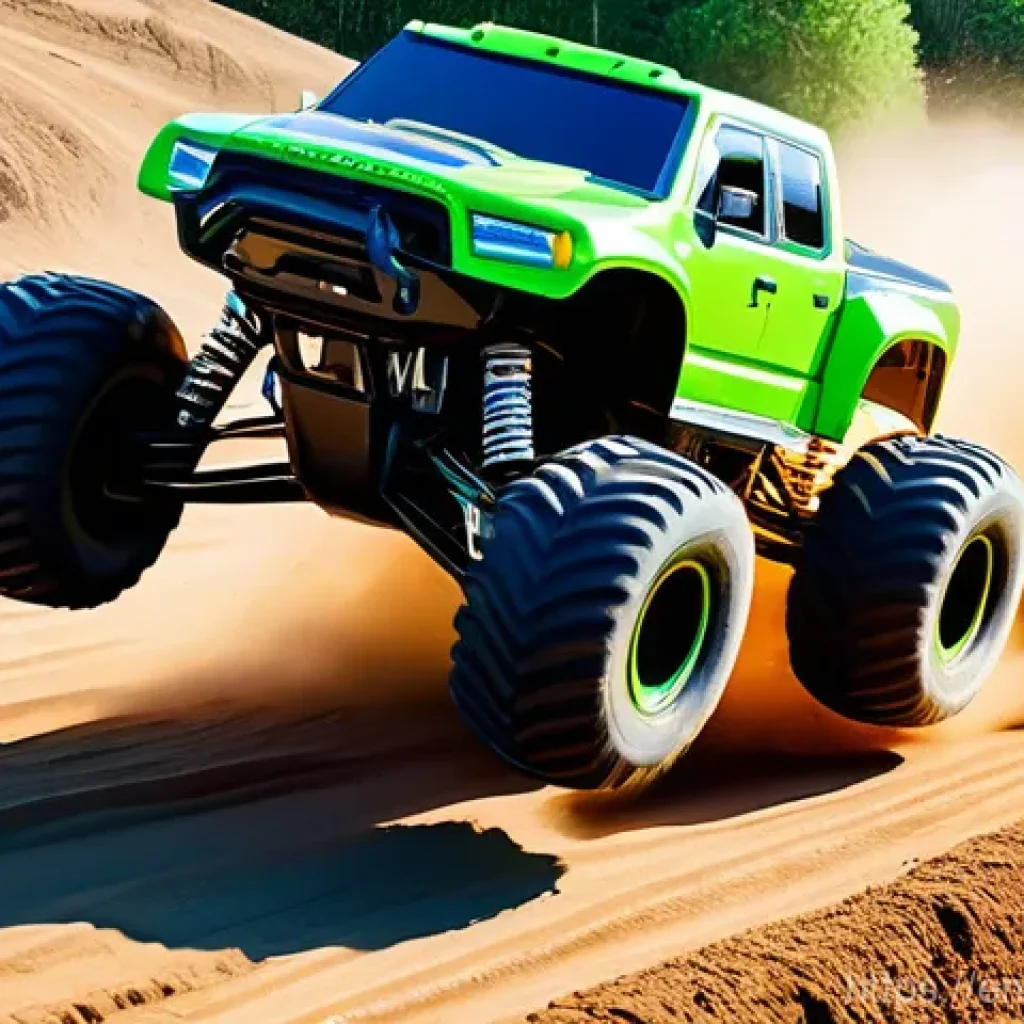
Ah, monster trucks! These are often the first image that comes to mind when someone says “RC car,” and for good reason. They are, in a word, glorious.
With their oversized tires, towering suspension, and generally beefy construction, monster trucks are built for one thing: pure, unadulterated bashing fun.
I personally started with a monster truck, and the sheer joy of watching it plow through tall grass, jump off makeshift ramps, and shrug off tumbles that would cripple other vehicles was incredibly satisfying.
They’re forgiving, robust, and fantastic for beginners because they can handle a lot of abuse. You don’t need a perfectly groomed track; your backyard, a local park, or even a dusty construction site becomes your playground.
They excel at off-road adventures, conquering everything from dirt mounds to small puddles (just make sure your electronics are waterproof!). If you’re looking for something that offers immediate gratification, big air potential, and a fantastic stress reliever after a long day, a monster truck should definitely be high on your list.
Their high ground clearance means fewer hang-ups, and their sturdy builds often translate to less breakage for new drivers still mastering the controls.
Buggies and Stadium Trucks: Speed and Agility on Dirt or Track
If you’re more drawn to speed, nimble handling, and the idea of hitting jumps with precision, then buggies or stadium trucks might be your calling. Buggies are sleek, low-slung, and designed for tearing around dirt tracks, offering fantastic cornering ability and impressive acceleration.
I’ve always admired the way a well-driven buggy can hug a corner and then rocket down a straight, often looking like a miniature rocket itself! Stadium trucks are a bit of a hybrid, blending some of the ruggedness of monster trucks with the race-bred DNA of a buggy.
They typically have wider tires and a slightly higher stance than buggies, making them versatile for both track duty and some light backyard bashing. Both types offer a more controlled, often faster, experience than monster trucks, and they really shine when you have some open space to let them stretch their legs.
While they might not be as indestructible as a dedicated monster truck, many modern stadium trucks and buggies, especially those from reputable brands, are incredibly durable and offer a fantastic balance of speed, handling, and resilience, making them excellent choices for beginners who want a taste of performance.
Drift Cars and Crawlers: Niche Thrills for Specific Styles
Then we have the specialists: drift cars and crawlers. Drift cars are all about style and control, designed to slide gracefully sideways around corners on smooth surfaces.
It’s a mesmerizing dance, and mastering it feels incredibly rewarding. I’ve spent hours just watching drift enthusiasts perform incredible maneuvers; it’s almost like synchronized driving.
They typically feature hard, low-grip tires and precise steering systems, requiring a different kind of skill than outright speed. If you love the idea of precision driving and have access to smooth concrete or asphalt, a drift car offers a unique and deeply engaging experience.
On the complete opposite end of the spectrum are crawlers. These slow-moving, high-torque machines are built to conquer seemingly impossible rock gardens and technical terrain.
It’s less about speed and more about meticulous throttle control, steering, and suspension articulation. Watching a well-driven crawler slowly pick its way over a pile of rocks is genuinely captivating; it’s like a tiny, mechanical mountain goat.
If you enjoy problem-solving, patience, and the satisfaction of overcoming obstacles, a crawler provides a truly immersive and challenging experience, often in stunning natural environments.
Understanding these categories is your first step. Here’s a quick reference to help you visualize the different types:
| RC Car Type | Best For | Key Characteristics |
|---|---|---|
| Monster Truck | Off-road bashing, jumping, rough terrain | High ground clearance, large tires, durable, forgiving |
| Buggy | Racing on dirt/track, jumps, general off-road | Lower profile, good handling, agile, fast |
| Short Course Truck | Off-road racing, bashing, realistic looks | Scale appearance, wide body, good suspension travel |
| Drift Car | Smooth surfaces, controlled slides | Hard tires, low grip, precise steering, often 4WD |
| Crawler | Technical rock climbing, slow-speed obstacles | High articulation, heavy chassis, soft tires, high torque |
Powering Your Passion: Understanding Motors, Batteries, and Run Time
Once you’ve got a handle on the type of RC car you’re leaning towards, the next big hurdle is understanding what actually makes these miniature marvels move: the motor and battery system.
This can feel like diving into a whole new language with terms like “brushless,” “LiPo,” “mAh,” and “C-rating” flying around. But trust me, it’s not as daunting as it sounds, and grasping these basics will significantly enhance your experience, helping you choose wisely and operate your RC car safely.
I recall my initial confusion, staring at spec sheets feeling completely overwhelmed. I just wanted to know how long it would run and how fast it would go!
Over time, I’ve learned that the power system is the heart of your RC, dictating its speed, acceleration, and most importantly, how long you get to play before needing a recharge.
Getting this right means more exhilarating drives and less waiting. And let’s be honest, nobody wants to cut their session short just because they didn’t understand their battery life!
Brushed vs. Brushless: What’s Under the Hood?
When it comes to motors, you’ll primarily encounter two types: brushed and brushless. Brushed motors are the older, more traditional technology. They’re generally less expensive, simpler in design, and a great entry point for many beginners.
They offer decent performance and are quite durable, especially in ready-to-run (RTR) vehicles. I started with a brushed motor system, and it provided plenty of excitement for learning the ropes.
However, they do have a few limitations, such as less efficiency, lower top speeds, and they can require more maintenance over time due to wear on the brushes.
Then there are brushless motors. Oh, brushless! This is where things get really exciting.
Brushless systems are the performance kings: more powerful, significantly more efficient, faster, and require almost no maintenance. They also offer longer run times on the same battery capacity because they waste less energy as heat.
The downside? They come with a higher price tag. For a beginner, a brushed system is perfectly fine and often recommended to get a feel for the hobby without breaking the bank.
But once you’re hooked, and believe me, you will be, upgrading to a brushless system is often one of the first and most impactful upgrades you’ll make.
It’s like going from a regular engine to a turbo-charged one – the difference is palpable.
LiPo vs. NiMH Batteries: Fueling Your Adventure
The battery choice is just as critical as the motor, if not more so. You’ll mostly be choosing between Nickel-Metal Hydride (NiMH) and Lithium Polymer (LiPo) batteries.
NiMH batteries are generally what you’ll find included with many beginner-friendly RTR kits. They are robust, relatively inexpensive, and incredibly safe to use, making them ideal for newcomers.
I’ve personally put my NiMH batteries through some rough treatment, and they’ve always bounced back. They don’t offer the same punch or run time as LiPo, but for casual bashing, they’re perfectly adequate.
LiPo batteries, on the other hand, are the powerhouses. They offer significantly higher voltage, lighter weight, and deliver much more consistent power throughout their discharge cycle.
This means more speed, more acceleration, and often longer run times compared to a similarly sized NiMH pack. However, LiPo batteries require more careful handling and a specific charger.
Mishandling a LiPo can be dangerous, so it’s crucial to follow all safety guidelines – never overcharge, over-discharge, or physically damage them. If you opt for LiPo, invest in a good balance charger and a LiPo safe bag for charging and storage.
The performance gain is worth the extra care, but it’s a commitment to responsible handling.
Charging Safely and Extending Your Run Time
Beyond just choosing your battery type, understanding charging safety and how to maximize your run time is paramount for uninterrupted fun. For NiMH batteries, a simple wall charger is usually included and works perfectly fine.
Just plug it in, wait for the light to indicate full, and you’re good to go. For LiPo batteries, as I mentioned, a balance charger is a must. These chargers ensure that each cell within the LiPo pack is charged equally, which is vital for the battery’s longevity and safety.
I cannot stress enough the importance of never leaving a LiPo battery charging unattended, and always charging it on a non-flammable surface, preferably within a LiPo safety bag.
To extend your run time, consider picking up an extra battery or two. It makes a huge difference to be able to swap out a depleted pack and keep going, rather than waiting an hour or more for a recharge.
Also, understanding your battery’s “mAh” (milliamp-hours) rating will tell you its capacity – a higher mAh means longer run time. A lower C-rating on a LiPo means it can deliver less current; higher C-ratings are for higher performance demands, but typically you won’t need anything extreme for beginner setups.
Just pay attention to these numbers, and you’ll be zipping around for ages!
The Durability Dilemma: Why Toughness Matters for Newbies
When you’re just starting out in the RC hobby, one of the most disheartening things can be a broken part that sidelines your fun. I’ve been there! That heart-sinking feeling as your brand-new pride and joy tumbles spectacularly, and you know, just *know*, something expensive has snapped.
It’s why durability isn’t just a buzzword for beginners; it’s an absolute non-negotiable. You’re going to crash. You’re going to misjudge jumps.
You’re going to hit things you didn’t see. It’s all part of the learning process, and a well-built, resilient RC car can turn those inevitable bumps into minor setbacks rather than expensive repairs.
Investing in a tough vehicle means more drive time and less wrench time, which for a newcomer, translates directly into more enjoyment and less frustration.
My personal philosophy has always been to prioritize toughness for a first RC, because confidence comes from knowing your machine can take a hit and keep on going.
Nobody wants to be constantly buying replacement parts instead of having fun driving!
Bash-Proof Designs: What to Look For in a First RC
So, what makes an RC car “bash-proof” for a beginner? Look for models from reputable brands known for their robust engineering. These companies often use high-quality, flexible plastics for components like suspension arms and chassis, which can flex and absorb impact rather than shattering.
Metal components, particularly in high-stress areas like gearboxes or shock towers, are a huge plus. Some entry-level monster trucks and short course trucks are specifically designed for rough play, featuring reinforced bumpers, skid plates, and overall heavier-duty construction.
I always recommend checking out online reviews and community forums; often, experienced drivers will highlight models that are particularly durable for new enthusiasts.
Look for features like sealed electronics (ESC, receiver, servo) which offer protection against water, dirt, and dust – because you *will* encounter these elements.
And consider the general design: a vehicle with a chassis that protects its internal components is always a better bet than one with exposed sensitive parts.
Trust me, a little extra upfront investment in a durable model pays dividends in saved repair costs and continuous fun.
Spare Parts and Support: Keeping Your Ride Running
Even the toughest RC car might eventually need a new part. It’s simply the nature of the beast; pushing these machines to their limits means something might give eventually.
This is where the availability of spare parts and good customer support becomes incredibly important. Before you commit to a purchase, do a quick search for common spare parts for that specific model.
Can you easily find replacement suspension arms, drive shafts, or differential gears online or at your local hobby shop? A readily available parts supply means you won’t be sidelined for weeks waiting for a crucial component to ship from overseas.
Major brands typically excel here, with extensive parts diagrams and widely available replacements. Furthermore, consider the manufacturer’s customer support.
Do they have a responsive customer service team? Are there online resources like manuals, tutorials, or troubleshooting guides? I’ve personally had moments where a quick call to customer service or a search on a brand’s forum saved me a lot of head-scratching.
Good support ensures that even if something does break, you have the resources to get your RC car back in action quickly, minimizing downtime and maximizing your enjoyment of the hobby.
Ready-to-Run (RTR) vs. Kits: Getting Started Your Way
One of the first big decisions you’ll face after picking a type of RC is whether to go with a Ready-to-Run (RTR) model or dive into a kit. For absolute beginners, this choice can feel a bit like standing at a fork in the road, one path promising immediate gratification and the other a deeper, more involved experience.
I remember being so eager to get my hands on an RC car that the idea of spending hours assembling one felt like an eternity. But then, as I got more into the hobby, the appeal of building something from the ground up became incredibly strong.
Each approach has its own unique charm and benefits, and understanding them will help you align your first purchase with your personal patience level and mechanical aptitude.
Don’t worry, there’s no wrong answer here, just the right answer for *you*.
The Allure of RTR: Instant Gratification
Ready-to-Run (RTR) models are exactly what they sound like: you take them out of the box, charge the battery, and you’re ready to hit the pavement or dirt in minutes.
They come fully assembled, with the motor, electronic speed controller (ESC), receiver, and servo all pre-installed and often pre-tuned. For someone just entering the hobby, the RTR option is an absolute game-changer.
It lowers the barrier to entry significantly, allowing you to bypass the complexities of assembly and get straight to the fun part – driving! I can tell you from personal experience that the excitement of unboxing an RTR and having it zoom around within minutes is truly unmatched.
It’s perfect if you’re not particularly mechanically inclined, or if you simply want to experience the thrill of RC driving without the initial commitment of a build.
Many reputable brands offer fantastic RTR options that are incredibly durable and perform exceptionally well, proving that “ready-to-run” doesn’t mean “lower quality.” For your very first RC, unless you have a strong desire to build, an RTR is often the most sensible and enjoyable starting point.
Diving Deeper with Kits: For the Builders at Heart
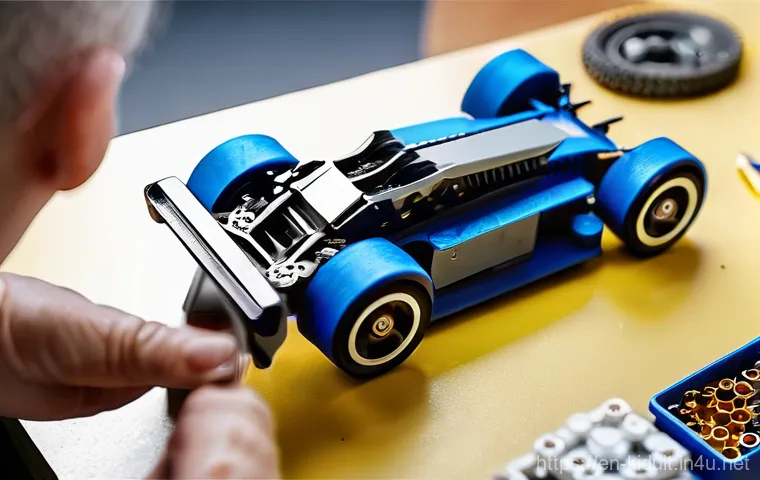
On the flip side, we have RC kits. These come as a box of parts, and you are responsible for assembling everything from the chassis to the suspension, and installing all the electronics.
Now, this might sound intimidating, especially for a beginner, but let me tell you, there’s a profound satisfaction that comes from building your own RC car from scratch.
You gain an intimate understanding of how every component works, which makes troubleshooting and future repairs much easier. It’s a fantastic educational experience, akin to building a complex model.
While it certainly requires more time and patience, and often a separate purchase of electronics (motor, ESC, servo, radio system), the knowledge you gain is invaluable.
I eventually ventured into building kits, and the sense of accomplishment when I finally flipped the switch and watched my creation come to life was truly immense.
Kits are generally recommended for those who enjoy tinkering, have some mechanical inclination, or are simply curious about the inner workings of their RC.
If you’re looking to deepen your involvement in the hobby beyond just driving, a kit could be a wonderfully rewarding, albeit challenging, path to take.
Beyond the Box: Essential Accessories and Upgrades for Endless Fun
Getting your first RC car is just the beginning of an incredibly exciting journey, like getting the keys to a new world. But just like with a new car, there are a few essential extras and smart upgrades that can significantly enhance your experience, making your RC adventures more enjoyable, prolonging the life of your vehicle, and even improving its performance.
I’ve learned through trial and error that skipping these seemingly small details can lead to frustration down the line. Nobody wants to be stuck with a dead battery in the middle of a fantastic bashing session or have a minor tumble turn into a major repair because they lacked a simple tool.
Thinking ahead about these accessories isn’t just about spending more; it’s about investing in uninterrupted fun and taking good care of your new passion.
Must-Have Tools and Maintenance Gear
First and foremost, you absolutely need a good set of tools. Most RTRs come with a basic wrench or two, but those won’t cut it for long-term maintenance or minor repairs.
I’ve found that a good set of metric hex drivers (often called Allen wrenches), a small Phillips head screwdriver, and perhaps a small pair of pliers are indispensable.
These will be your best friends for tightening loose screws, performing routine maintenance, and making those quick adjustments. Also, a bottle of thread-locking compound (blue Loctite is commonly recommended) is a lifesaver for screws that tend to vibrate loose, especially on metal-to-metal connections.
Don’t forget some cleaning supplies – a soft brush, compressed air, and a microfiber cloth will help keep your RC car pristine and prevent dirt from causing premature wear on moving parts.
Keeping your RC clean after each run not only makes it look better but also helps identify any potential issues before they become serious problems. Trust me, a little preventative maintenance goes a long way in this hobby!
Initial Upgrades for Performance and Longevity
Once you’ve gotten comfortable with your stock RC, you might start thinking about upgrades. For beginners, I always recommend focusing on upgrades that enhance durability or improve core performance without being overly complex.
A common and highly effective first upgrade is better tires. The tires that come stock on many RTRs are often adequate but not exceptional. Upgrading to a set of tires with a tread pattern suited to your primary driving surface can dramatically improve grip, handling, and overall control.
Another excellent upgrade, especially for monster trucks and bashers, is aluminum shock caps or even entire aluminum shocks. These are far more durable than plastic ones and provide smoother damping, leading to better handling over rough terrain and bigger jumps.
A small but impactful upgrade can also be a high-quality servo for steering. A faster, stronger servo will give you more precise control and quicker response times, which is particularly noticeable when navigating tight corners or correcting a slide.
These aren’t just about making your RC faster; they’re about making it more robust and responsive, directly translating to a more enjoyable and confidence-inspiring driving experience.
The Unseen Costs: Budgeting for Your RC Adventure
Let’s talk money, because while the thrill of getting a new RC car is immense, it’s wise to have a realistic understanding of the full financial picture.
I’ve seen enthusiastic newcomers dive headfirst into the hobby, only to get a bit of a shock when they realize the initial purchase price is just the tip of the iceberg.
It’s like buying a pet; the upfront cost is one thing, but then there’s food, vet visits, toys, and so on. The same principle applies here. Being prepared for these additional expenses won’t just prevent sticker shock; it will ensure you can fully enjoy your RC experience without constantly worrying about your wallet.
A well-planned budget means you can comfortably invest in the items that truly enhance your fun and keep your ride in top condition, rather than cutting corners and potentially damaging your vehicle or safety.
Beyond the Purchase Price: Batteries, Chargers, and Maintenance
After you’ve picked out your dream RC car, the very next thing you’ll likely need, unless your RTR kit is exceptionally generous, is an additional battery and a good charger.
While some RTRs include a basic battery and charger, having a spare battery is practically a necessity for extending your run time and maximizing fun.
I always recommend having at least two batteries on hand so you can be charging one while you’re driving with the other. A decent LiPo charger, if you go that route, can also be a significant investment, but it’s crucial for safety and battery longevity.
Then there’s maintenance. Just like a real car, RC cars require routine care. This means lubricants for gears, cleaning sprays, and occasionally, new tires or small replacement parts that wear out over time.
Things like differential fluid, shock oil, and even small hardware can add up. It’s not a constant outflow of cash, but it’s an ongoing consideration.
Believe me, neglecting these smaller costs can lead to larger, more expensive repairs down the road, and nobody wants that!
Smart Spending: Getting the Most Bang for Your Buck
So, how do you manage these costs smartly? My best advice for beginners is to prioritize quality over quantity and to think long-term. Instead of buying the absolute cheapest RC car you can find, consider spending a little more on a reputable brand known for durability and parts availability.
A slightly higher initial investment often saves you money on replacement parts and headaches in the long run. When it comes to accessories, start with the essentials: a good tool kit, an extra battery, and a reliable charger.
You don’t need every shiny upgrade right away. Many hobby shops and online retailers offer “combo deals” that bundle an RC car with an extra battery or charger, which can be a great way to save a bit of money upfront.
Also, don’t be afraid to utilize the used market for certain items like extra batteries or even a gently used RC car if you know what you’re looking for and can inspect it properly.
The RC community is often very helpful, and you can find great deals. The key is to be informed, set a realistic budget, and remember that every dollar spent wisely contributes to a more enjoyable and sustainable hobby experience.
Joining the Community: Connecting with Fellow Enthusiasts
Stepping into the world of RC cars is more than just buying a vehicle; it’s like gaining entry to a passionate, diverse, and incredibly welcoming community.
This is something I absolutely adore about the hobby. When I first started, I was mostly a solitary basher in my backyard, but once I started connecting with other enthusiasts, my understanding and enjoyment of RC cars just exploded.
There’s a wealth of knowledge out there, from seasoned veterans who’ve been tinkering with RC for decades to fellow newbies sharing their latest adventures.
Tapping into this collective wisdom can literally transform your experience, helping you troubleshoot problems, discover new driving spots, learn about upgrades, and simply share in the sheer joy of the hobby.
It’s truly a testament to how a shared interest can bring people together, creating connections and fostering a sense of camaraderie that makes every aspect of RC life even better.
Local Clubs and Online Forums: A World of Knowledge
One of the best ways to immerse yourself in the RC community is by seeking out local clubs or groups. Many towns and cities have RC clubs dedicated to specific disciplines, whether it’s racing, crawling, or just general bashing.
These clubs often organize meet-ups, races, or even just casual driving sessions. I vividly remember attending my first local RC meet; everyone was so friendly and eager to share tips and tricks.
It was incredible to see so many different setups and learn from people who had years of experience. If a local club isn’t feasible, online forums and social media groups are an absolute goldmine.
Websites like RCUniverse, rccar.com, and numerous Facebook groups are bustling hubs where you can ask questions, share photos and videos of your builds, get advice on technical issues, and connect with people who share your passion from all corners of the globe.
You’ll find everything from detailed build logs to troubleshooting guides and discussions on the latest gear. It’s an amazing resource for learning and feeling connected, even if you’re driving solo.
Learning and Growing: Sharing Your RC Journey
The beauty of the RC community isn’t just about getting help; it’s also about giving back and sharing your own journey. As you gain experience, you’ll naturally start to understand more, and perhaps even offer advice to other beginners.
Documenting your own upgrades, sharing your driving adventures, or even just posting photos of your RC car in action can be incredibly rewarding. Many enthusiasts enjoy creating content for platforms like YouTube, showcasing their builds, testing new products, or simply capturing epic bashing sessions.
I’ve personally found immense joy in sharing my own experiences and learning from the feedback and interactions I receive. It’s a continuous cycle of learning, experimenting, and sharing, which keeps the hobby fresh and exciting.
Embracing the community aspect means you’ll never feel truly alone in your RC endeavors; there’s always someone to bounce ideas off of, celebrate victories with, or commiserate with over a broken part.
It truly enhances the entire experience, transforming a simple pastime into a vibrant, interactive passion.
Closing Thoughts
And there you have it, a comprehensive dive into the thrilling universe of RC cars! I hope this little chat has cleared up some of the initial mysteries and has you buzzing with excitement about finding your perfect match. Remember, this hobby is an incredible journey of discovery, whether you’re tearing up a dirt track with a monster truck, gracefully drifting across a smooth lot, or meticulously crawling over a rock garden. The joy isn’t just in the driving; it’s in the learning, the tinkering, the occasional break that teaches you valuable repair skills, and especially in the connections you make with fellow enthusiasts. My biggest piece of advice is to embrace the process, don’t be afraid to experiment, and most importantly, have an absolute blast with every moment you spend behind the controller. This isn’t just about remote-controlled vehicles; it’s about passion, skill, and pure, unadulterated fun that truly knows no age limit. So, what are you waiting for? Your next great adventure is just a throttle squeeze away!
Useful Information to Know
Embarking on your RC adventure is fantastic, but a few pro tips can make that journey smoother and even more rewarding. I’ve certainly picked up some wisdom (and learned from a few mistakes!) along the way that I wish I knew upfront, so consider these little nuggets of advice your fast track to maximizing the fun and minimizing frustration. These aren’t just technical details; they’re habits and considerations that genuinely elevate your entire experience, turning potential headaches into minor bumps in the road. From safeguarding your investment to making the most of every drive, these insights will serve you well as you navigate the exciting world of RC.
1. Always charge your batteries safely and correctly. For LiPo batteries, this means using a balance charger, never leaving them unattended while charging, and ideally using a LiPo safe bag. Trust me, treating your batteries with respect will not only prolong their life but also prevent any scary situations. I’ve heard too many stories of improperly charged batteries, and safety should always be your top priority, allowing you to focus on the thrill of driving without a worry in the world. Plus, a healthy battery means more consistent power and longer run times!
2. Invest in a good set of tools early on. The little wrench that comes with many RTR kits is a start, but a proper set of metric hex drivers (Allen wrenches) and a small Phillips head screwdriver will make maintenance and repairs infinitely easier. You’ll be surprised how often you’ll need to tighten a screw or make a quick adjustment. A well-stocked toolkit isn’t just about convenience; it empowers you to be self-sufficient, tackle minor issues on the fly, and truly understand the mechanics of your vehicle without relying on a hobby shop for every little tweak.
3. Join a local RC club or an online forum. The RC community is incredibly welcoming and full of experienced individuals eager to share their knowledge. You can get advice on everything from troubleshooting a baffling issue to finding the best local spots to drive. I found some of my best bashing locations and learned countless upgrade tricks just by chatting with fellow enthusiasts. It’s a resource that’s absolutely invaluable, offering camaraderie, learning opportunities, and a constant source of inspiration for your next project or driving challenge.
4. Don’t be afraid to start simple and upgrade later. It’s easy to get caught up in the desire for the fastest or most feature-packed RC car, but a basic RTR model can provide endless hours of fun while you learn the ropes. As you gain experience, you’ll naturally discover what aspects of the hobby you enjoy most, and then you can make informed decisions about targeted upgrades like better tires, a brushless motor system, or more durable suspension components. This phased approach saves money and allows your hobby to evolve with your growing skills and preferences.
5. Clean your RC car after every run, especially if you’ve been driving in dirt, mud, or sand. Dirt and debris can get into gears, bearings, and other moving parts, causing premature wear and tear. A quick brush-down, some compressed air, and a wipe with a cloth will keep your vehicle running smoothly and help you spot any potential problems before they become serious. It’s a small habit that makes a huge difference in the longevity and performance of your RC, ensuring that your pride and joy stays in top shape for many adventures to come.
Key Takeaways
As we wrap up this journey into the exciting world of RC cars, it’s worth taking a moment to distill the most crucial points, especially for those of you just starting out. I genuinely want your entry into this hobby to be as smooth, enjoyable, and enduring as possible, and that means being armed with the right mindset and a bit of practical wisdom. These aren’t just abstract ideas; they’re the foundational pillars that will support countless hours of fun, learning, and unforgettable experiences. Thinking about these aspects before and during your first few months with an RC car will set you up for long-term satisfaction.
First and foremost, prioritize durability when choosing your first RC car. You are going to crash, tumble, and misjudge jumps – it’s an inevitable and often hilarious part of the learning process. A robust vehicle from a reputable brand will absorb those impacts and bounce back, meaning less time spent on repairs and more time having a blast. I can’t stress this enough; getting a tough RC will save you both money and frustration in the long run, ensuring your initial experiences are filled with joy, not disappointment over broken parts. It builds confidence knowing your machine can handle the inevitable challenges of aggressive driving.
Secondly, be mindful of the unseen costs beyond the initial purchase. Your RC car is just the beginning. You’ll almost certainly need extra batteries for extended run times, a good quality charger (especially for LiPo), and a basic tool kit for maintenance. Over time, you’ll also factor in things like lubricants, cleaning supplies, and perhaps the occasional replacement part. Budgeting for these necessities upfront will prevent sticker shock down the line and allow you to fully enjoy the hobby without constantly worrying about unexpected expenses. Think of it as investing in sustained fun rather than just an initial splurge.
Finally, and I believe this is one of the most enriching aspects, actively engage with the RC community. Whether it’s through local clubs, online forums, or social media groups, connecting with other enthusiasts is a game-changer. You’ll find a wealth of knowledge, troubleshooting tips, driving spots, and genuine camaraderie. Learning from seasoned veterans, sharing your own experiences, and even helping fellow newcomers fosters a vibrant connection that deepens your love for the hobby. This community aspect truly transforms RC from a solitary pastime into a shared passion, offering endless opportunities for growth, learning, and friendship. Don’t be a stranger; jump in and say hello!
Frequently Asked Questions (FAQ) 📖
Q: What kind of RC car should I even start with? There are so many options!
A: Oh, this is the million-dollar question, isn’t it? When I first got into RC, I was totally overwhelmed staring at walls of cars, wondering where to even begin.
My best advice for newcomers is almost always to start with an off-road vehicle like a monster truck, stadium truck, or a buggy. Why? Because they’re incredibly forgiving!
Seriously, you’re going to bash it, crash it, and send it flying – it’s part of the fun! Off-road RC cars are generally built like tanks, designed to take a beating and keep on rolling, which means less frustration and more actual driving time for you.
Brands like Traxxas and Arrma have some fantastic beginner-friendly models, such as the Traxxas Stampede or the Arrma Granite, that are known for their durability and availability of parts.
Plus, you can drive them almost anywhere: your backyard, a local park, or even a dirt lot. On-road cars are super cool for speed, but they really demand smooth surfaces, and let’s be honest, those perfect surfaces aren’t always easy to find!
Starting with an off-roader lets you truly get a feel for the controls and the sheer joy of it all without constantly worrying about expensive repairs.
Q: Electric seems popular, but what makes it so great for beginners compared to gas-powered (nitro) models?
A: You’ve hit on a really important point! Electric RC cars have truly revolutionized the hobby, especially for beginners, and personally, I wouldn’t recommend anything else for someone just starting out.
Here’s the deal: electric cars are incredibly user-friendly. Think of it this way – you charge a battery, plug it in, and you’re good to go! They’re much quieter than their nitro counterparts, so you won’t annoy your neighbors, and you can even run them indoors (if you have the space!).
Maintenance is significantly simpler too; you’re not dealing with finicky engine tuning, messy fuel, or special starting procedures like glow igniters.
Just keep it clean, check the screws, and you’re largely set. While nitro cars offer that raw, realistic engine sound and smell that many enthusiasts love (I get it, there’s a certain charm to it!), they come with a steeper learning curve for tuning and much more involved maintenance.
Electric models also boast instantaneous torque, which means exhilarating acceleration right from the get-go, and modern LiPo batteries offer fantastic run times, often 10-30 minutes, with the option to just swap in a freshly charged pack to keep the fun going.
For a beginner, this translates to more driving and less tinkering, which is exactly what you want when you’re falling in love with the hobby!
Q: I keep seeing “RTR” everywhere. What exactly does that mean, and why is it recommended for first-timers?
A: Ah, “RTR”! This is one of those acronyms that’s a total lifesaver for new hobbyists. RTR stands for “Ready-To-Run,” and it means exactly what it sounds like: these cars come completely assembled from the factory, with all the essential electronics already installed.
So, when you unbox it, you’re not staring at a pile of parts and a daunting instruction manual (which, believe me, can be a mood killer when you’re eager to drive!).
My first hobby-grade RC was an RTR, and it meant I could literally charge the battery, pop it in, and be ripping around within minutes. Most RTR kits even include the remote control, and sometimes even a basic battery and charger, though I always recommend investing in a better quality charger and extra batteries down the line.
The beauty of an RTR is that it eliminates all the guesswork involved in building a kit or ensuring component compatibility. Everything is factory-matched and tested, giving you a smooth, frustration-free entry into the hobby.
It’s perfect for learning how to drive and handle your RC car without the added complexity of assembly. Once you’ve got some stick time under your belt and really feel hooked, then you might consider delving into kits for customization, but for starting out, RTR is absolutely the way to go.